Choose the value before choosing the storefront
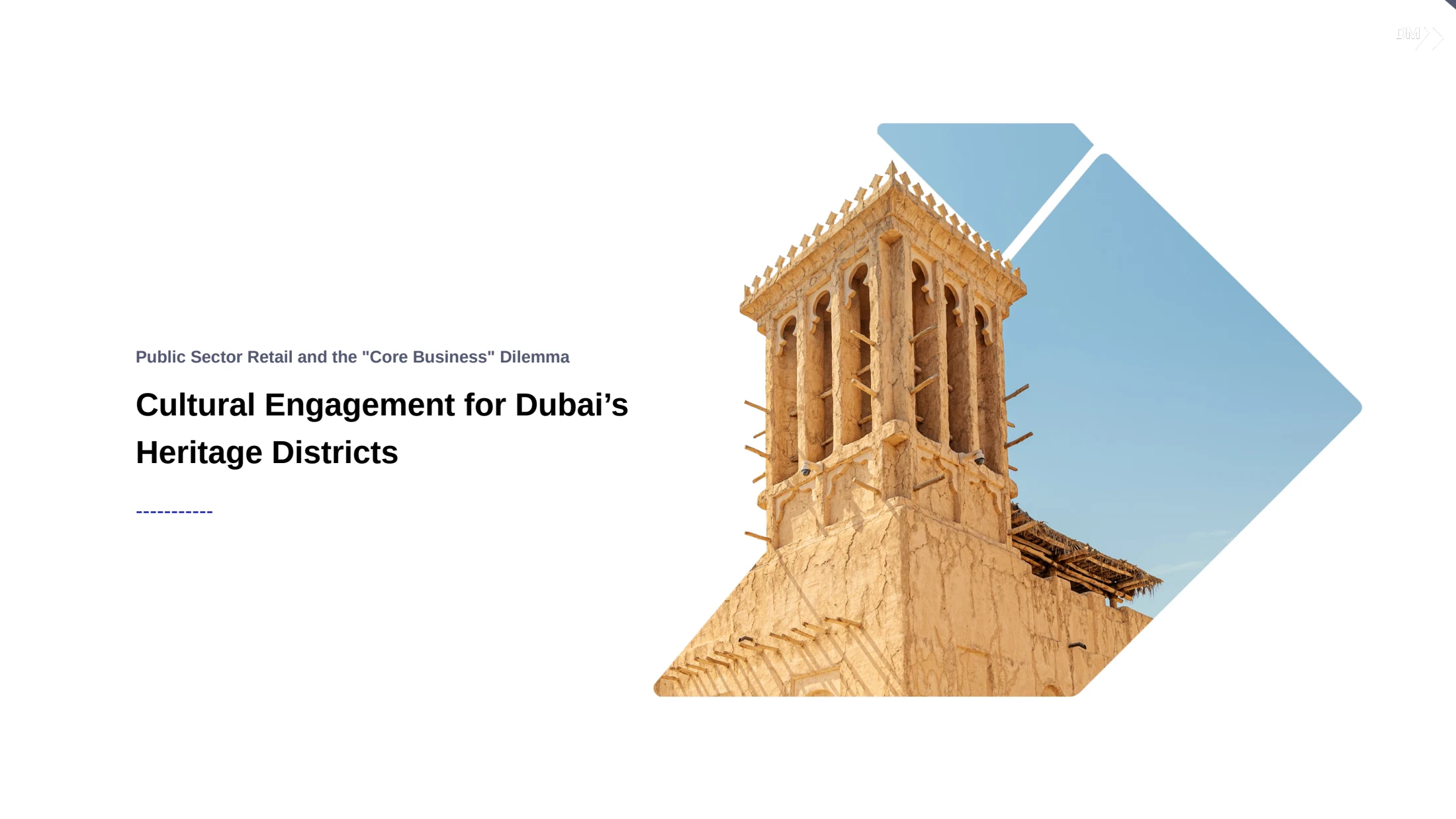
The initial request was a bookstore. The strategy instead focuses on heritage buildings, archives, knowledge and physical locations as the municipality’s distinctive assets.
Books become one way to learn about a place. A heritage map can make a story discoverable, a physical visit can introduce related content, and a digital resource can support a designer or researcher.
Design for different reasons to discover heritage
The source uses four planning archetypes: a global explorer, a cultural tourist, a local resident and a casual discoverer. They represent different entry points and value propositions, rather than validated research participants.
| Audience | Starting point | Product value |
|---|---|---|
| Global explorer | Remote study or creative interest | Digital collections and useful reference assets |
| Cultural tourist | A visit to a heritage place | Contextual stories, guides and related content |
| Local resident | Identity, memory and repeated participation | A place to contribute and explore local heritage |
| Casual discoverer | A social or everyday discovery moment | An engaging first story with a simple next step |
Compare five ways to deliver the value
The proposal explores a knowledge hub, an interactive heritage map, a trail connecting physical and digital experiences, community contributions and a digital-twin explorer.
These options have different content and technical dependencies. Starting with a map makes place-based discovery tangible before committing to immersive experiences and expensive production.
Sequence investment around a usable first experience
Stage one proposes the interactive map and a contextual library. Stage two connects physical heritage sites through QR or NFC access. Stage three explores digital twins, virtual reading rooms and richer personalisation.
The release choice needs content readiness, permissions, cultural review, accessibility and operating ownership. These dependencies should shape the next requirements and tests before development.
Connect commerce to discovery
The business model explores books, asset licensing, membership, related visits and sponsorship. Each route relies on a different audience need, rights model and operating capability.
A defensible business case would test willingness to pay, usage rights, fulfilment costs and engagement-to-purchase behaviour. The supplied concept does not contain an approved budget or financial forecast.
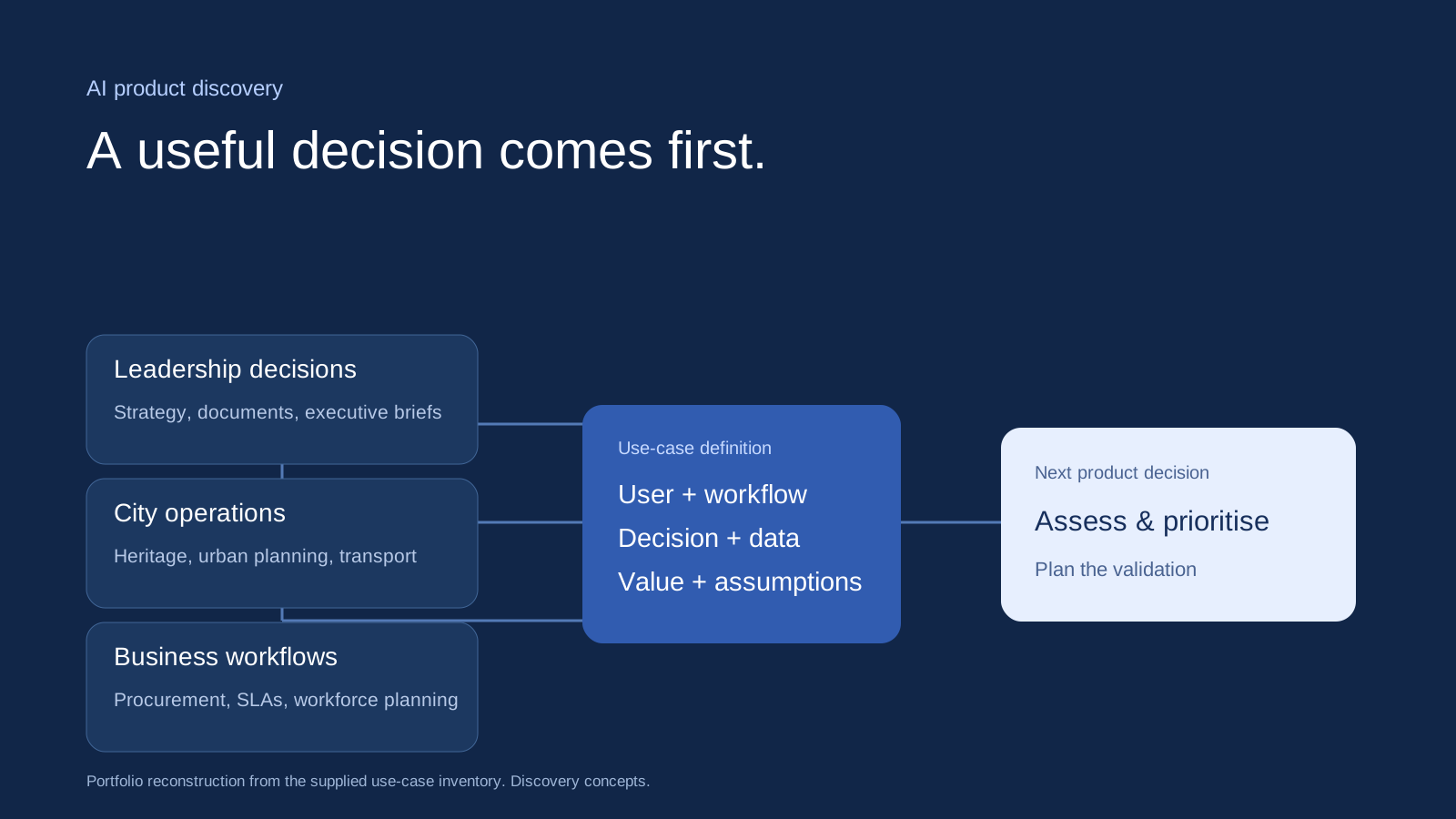
Prepare the next product decision
The source identifies product strategy, use cases, requirements, detailed content and testing as the next steps. A first pilot can test whether people find relevant heritage content and understand the proposed commercial offer.
Discovery depth, repeat use, physical-to-digital entry and conversion are useful candidate measures. Cultural accuracy, contribution rights and accessible content are necessary quality conditions alongside them.
Outcomes and learning
Product directions explored
Stages in the recommended roadmap
A strategic reframing, customer scenarios, alternative concepts and a phased commercial proposition. User validation, approved investment and launch performance remain subsequent work.
About the evidence
- Original project materials supplied in October 2026. Excerpts are integrated into the project story; targets and concepts are distinguished from released outcomes.